

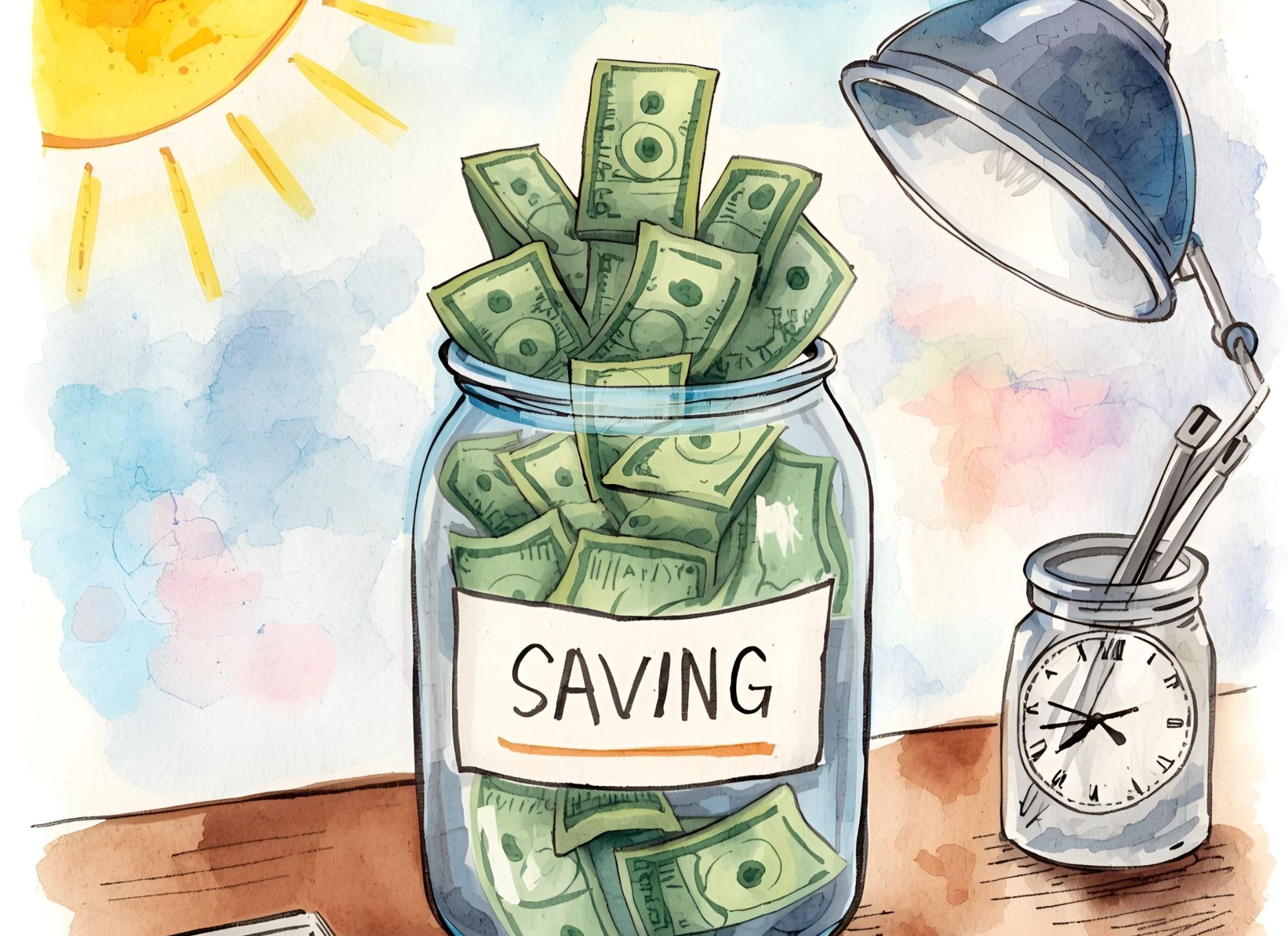
Discover 10 proven strategies to save money in 2025 without changing your lifestyle. Learn about cashback apps, subscription management, and smart spending techniques that work.
You don’t need to live like a monk to build wealth. While extreme frugality might work for some, most people want to save money without giving up the things they enjoy. The good news? In 2025, technology and smart strategies make it easier than ever to cut expenses while maintaining your quality of life.
With Americans now managing an average of 12+ subscriptions and the typical household spending over $100 monthly on subscription services, the opportunities to save without sacrifice have never been greater. The secret isn’t about eliminating everything you love—it’s about being strategic with your choices and leveraging the right tools.
The Modern Money-Saving Landscape
Why 2025 is Different
Today’s money-saving strategies go far beyond clipping coupons. We’re living in an era of:
- Cashback apps that turn everyday purchases into earnings
- AI-powered subscription management tools
- Automated savings that work in the background
- Comparison shopping that happens instantly
- Negotiation services that handle price reductions for you
The key is knowing which tools and techniques actually work—and which ones are worth your time.
1. Master the Art of Automated Cashback
The Strategy: Let technology earn money back on purchases you’re already making.
Top Cashback Apps for 2025:
Rakuten – The Online Shopping Champion
- Earnings potential: 1-10% back at 3,500+ stores
- Best for: Online shopping, travel bookings
- Payment: Quarterly checks or PayPal
- Pro tip: Use their browser extension for automatic coupon application
Upside – The Local Rewards Expert
- Earnings potential: $0.08-$0.25 per gallon on gas
- Best for: Gas stations, grocery stores, restaurants
- Payment: Direct bank transfer or gift cards
- Pro tip: Stack with gas station loyalty programs and credit card rewards
Ibotta – The Grocery Specialist
- Earnings potential: $0.25-$5.00 per qualifying purchase
- Best for: Groceries, specific brand purchases
- Payment: PayPal, gift cards, or direct deposit
- Pro tip: Plan shopping around available offers for maximum returns
Advanced Cashback Strategy:
- Use cashback credit cards for purchases (2-5% back)
- Shop through cashback apps (1-10% back)
- Use store loyalty programs (varies)
- Result: Triple-stacking rewards on the same purchase
Real Example: Sarah buys $100 in groceries using her 3% cashback grocery credit card, through the Ibotta app (earning $4 in rebates), while using the store’s loyalty program (saving $6 with digital coupons). Total savings: $13 on a purchase she was making anyway.
2. Revolutionize Your Subscription Management
The Problem: The average American has forgotten about $79 worth of monthly subscriptions.
The Solution: Use smart subscription management tools that pay for themselves.
Top Subscription Management Apps:
Rocket Money (Formerly Truebill) – The All-in-One Solution
- Cost: Free basic plan, $6-12/month premium
- Features: Finds and cancels subscriptions, negotiates bills, tracks spending
- Best for: People with multiple subscriptions who want hands-off management
- Success rate: Claims 80% of users save money by canceling subscriptions
Subscription Stopper – The Free Alternative
- Cost: Completely free
- Features: Tracks subscriptions, provides cancellation instructions
- Best for: DIY approach to subscription management
- Limitation: Doesn’t cancel for you, but gives step-by-step guidance
PocketGuard – The Budget Integration
- Cost: Free basic, $74.99/year premium
- Features: Subscription tracking integrated with budgeting tools
- Best for: People who want subscription management as part of broader financial planning
Subscription Audit Strategy:
- Week 1: Install a subscription tracking app
- Week 2: Review all discovered subscriptions
- Week 3: Cancel unused subscriptions (target: 3+ cancellations)
- Week 4: Downgrade overpriced services to basic plans
- Monthly: Review for new subscriptions and usage changes
3. Strategic Shopping with Modern Tools
Beyond Traditional Comparison Shopping:
Capital One Shopping – The Automatic Bargain Hunter
- What it does: Automatically finds and applies coupon codes
- Coverage: Works across thousands of online stores
- Bonus feature: Price drop alerts for future purchases
- Cost: Free
Honey – The Coupon Code Conqueror
- What it does: Tests all available coupon codes at checkout
- Special feature: Honey Gold rewards program
- Best for: Online shopping across multiple retailers
- Cost: Free browser extension
IntelliShop Strategy:
- Research phase: Use price comparison tools before buying
- Timing optimization: Set price drop alerts for non-urgent purchases
- Coupon automation: Let browser extensions find discounts automatically
- Cashback activation: Start shopping through cashback portals
Real Example: Mark wants a $200 laptop. He sets a price drop alert through Capital One Shopping, which notifies him when it drops to $170. He then purchases through Rakuten (earning 3% back = $5.10), while Honey automatically applies a 10% coupon ($17 off). Total savings: $47.10 on a purchase he was planning anyway.
4. Smart Dining and Entertainment Hacks
The Modern Approach to Food Savings:
Restaurant Apps That Pay You:
- Seated: Earn up to $30 back for restaurant reservations
- Dineout: Cashback and deals for dining
- OpenTable: Points for reservations (redeemable for dining credits)
Grocery Strategy Evolution:
- Flashfood: 50% off food nearing expiration dates
- Too Good To Go: Surplus food from restaurants and bakeries
- Imperfect Foods: “Ugly” produce delivered at discount prices
Entertainment Without the Premium Price:
- Library resources: Free movies, audiobooks, and digital magazines
- Community events: Free concerts, festivals, and activities
- Happy hour timing: Same restaurants, 30-50% lower prices
- Group buying: Split streaming services, warehouse club memberships
5. Energy Efficiency Through Smart Technology
Modern Utility Savings:
Smart Home Devices:
- Programmable thermostats: Save 10-23% on heating/cooling
- Smart power strips: Eliminate phantom energy drain
- LED bulb upgrades: 75% less energy usage
- Smart water heater controllers: Optimize heating schedules
Energy Monitoring Apps:
- Sense: Real-time energy usage tracking
- SmartThings: Automate energy-saving routines
- Nest: Learning thermostat optimization
Utility Bill Negotiation:
- Rocket Money: Negotiates cable, internet, and phone bills
- Billshark: Professional bill negotiation service
- Direct approach: Call providers annually for retention discounts
6. Transportation Cost Optimization
Beyond Traditional Car Savings:
Gas Optimization:
- GasBuddy: Find cheapest gas stations in real-time
- Waze: Route optimization to avoid traffic and save fuel
- Upside app: Cashback on gas purchases
Alternative Transportation:
- Bike-sharing: Short trips without car ownership costs
- Public transit apps: Real-time schedules and pass discounts
- Rideshare comparison: Apps that compare Uber/Lyft prices
Car Ownership Optimization:
- Insurance comparison: Annual reviews can save $500+
- Maintenance scheduling: Preventive care reduces major repairs
- Fuel efficiency: Regular tune-ups improve gas mileage by 4-40%
7. Strategic Shopping Timing
The Science of When to Buy:
Best Times for Major Purchases:
- Electronics: Black Friday, post-Christmas, and new model releases
- Appliances: September-October (new models arrive)
- Cars: End of model year, end of month/quarter
- Clothing: End-of-season clearances
Apps for Timing Optimization:
- Karma: Price tracking and drop notifications
- InvisibleHand: Automatic price comparison while browsing
- WikiBuy: Price history and timing recommendations
Seasonal Savings Calendar:
- January: Gym equipment, organization supplies
- March: Winter clothing clearance
- May: Appliances and mattresses
- August: Back-to-school supplies and furniture
- November: Electronics and holiday items
8. The Art of Mindful Spending
Modern Techniques for Purchase Decisions:
The 24-48-72 Rule:
- Under $50: Wait 24 hours
- $50-200: Wait 48 hours
- Over $200: Wait 72 hours
- Result: Reduces impulse purchases by 60-80%
Digital Tools for Mindful Spending:
- YNAB (You Need A Budget): Forces you to assign every dollar a purpose
- Mint: Tracks spending patterns and sends alerts
- PocketGuard: Shows exactly how much you can safely spend
The “Cost Per Use” Calculator: Calculate the true value of purchases by dividing cost by expected uses.
- Example: $100 jacket ÷ 50 wears = $2 per use (good value)
- Example: $30 gadget ÷ 3 uses = $10 per use (poor value)
9. Borrowing and Sharing Economy
Modern Resource Sharing:
Tool and Equipment Sharing:
- Neighbor: Borrow tools, equipment, and household items
- Library tool libraries: Free access to power tools and equipment
- Buy Nothing groups: Facebook groups for free item exchanges
Experience Sharing:
- Meetup groups: Free social activities and hobby groups
- Community gardens: Free produce and social connection
- Skill swapping: Trade services (tutoring for car maintenance)
Subscription Sharing (Legal Methods):
- Family plans: Spotify, Netflix, Amazon Prime family accounts
- Group buying: Warehouse club memberships
- Student discounts: Many services offer 50% student rates
10. Advanced Money-Saving Automation
Set-and-Forget Savings Systems:
Micro-Investing Apps:
- Acorns: Rounds up purchases and invests spare change
- Qapital: Saves based on customizable rules
- Digit: AI analyzes spending to save optimal amounts
Automated Bill Optimization:
- Trim: Cancels subscriptions and negotiates bills automatically
- Billshark: Professional negotiation services
- BillFixers: Fights for better rates on your behalf
Smart Banking Features:
- Bank account bonuses: Earn $100-500 for opening new accounts
- High-yield savings: Earn 4-5% APY vs. 0.01% at big banks
- Round-up savings: Automatic transfers of spare change
Implementation Strategy: Your 30-Day Money-Saving Challenge
Week 1: Foundation
- Install 2-3 cashback apps (Rakuten, Upside, Ibotta)
- Download a subscription management app
- Set up browser extensions for automatic coupons
- Conduct subscription audit and cancel 2+ unused services
Week 2: Optimization
- Research and switch to high-yield savings account
- Install smart home devices for energy savings
- Set up price alerts for planned purchases
- Review and negotiate one major bill (internet, phone, insurance)
Week 3: Advanced Strategies
- Explore library and community resources
- Set up automated micro-investing
- Research seasonal timing for upcoming purchases
- Join relevant Facebook Buy Nothing groups
Week 4: System Refinement
- Analyze first month’s savings
- Optimize cashback app usage based on spending patterns
- Set up automated systems for ongoing savings
- Plan next month’s money-saving priorities
Measuring Your Success
Key Metrics to Track
Monthly Savings Breakdown:
- Cashback earnings: $____
- Subscription cancellations: $____
- Energy efficiency improvements: $____
- Negotiated bill reductions: $____
- Smart shopping savings: $____
- Total monthly savings: $____
Annual Impact Projection: Multiply monthly savings by 12 to see your annual impact. Many people save $1,200-2,400 annually using these strategies.
Common Pitfalls to Avoid
Over-optimization: Don’t spend hours to save pennies. Focus on strategies that provide the best return on time invested.
Subscription app fees: Some subscription management apps charge monthly fees. Calculate whether the fee is worth the savings.
Cashback minimums: Some apps have minimum withdrawal amounts. Don’t let small balances sit unused.
Privacy concerns: Understand what data you’re sharing with financial apps and adjust privacy settings accordingly.
The Compound Effect of Smart Saving
The real magic happens when these strategies compound over time. A family saving $150/month through these methods will save $1,800 in the first year. But the habits and systems they build often lead to even greater savings in subsequent years.
Year 1: Learn systems, save $1,800 Year 2: Optimize systems, save $2,400 Year 3: Master advanced strategies, save $3,000+
More importantly, you’ll develop a money-saving mindset that naturally identifies new opportunities and avoids lifestyle inflation.
Technology-Enhanced Lifestyle Maintenance
The beauty of modern money-saving strategies is that they enhance rather than restrict your lifestyle:
- Better experiences: Finding deals on restaurants and entertainment means you can afford to go out more often
- Reduced stress: Automated systems handle the “work” of saving money
- Increased options: Cashback and savings create more discretionary income for things you truly value
- Improved habits: Apps and tools make smart financial decisions automatic
Your Next Steps
This Week:
- Choose one cashback app and start using it for upcoming purchases
- Download a subscription management app and cancel one unused service
- Install browser extensions for automatic coupon application
This Month:
- Implement 3-4 strategies from this guide
- Set up automated systems where possible
- Track your savings to measure progress
This Year:
- Master all 10 strategies
- Optimize and refine your approach
- Enjoy the compound effect of consistent smart saving
Remember: The goal isn’t to become obsessed with saving money—it’s to create systems that save money automatically while you focus on living your life. The best money-saving strategy is one that works so seamlessly you barely notice it, except when you check your bank account and smile at the growing balance.
The key to saving money without sacrificing your lifestyle isn’t about making dramatic changes. It’s about making smart choices, leveraging technology, and creating systems that work for you automatically. Start with one or two strategies that appeal to you most, build them into habits, then gradually add more techniques to your money-saving toolkit.
Your future self—and your bank account—will thank you for starting today.