

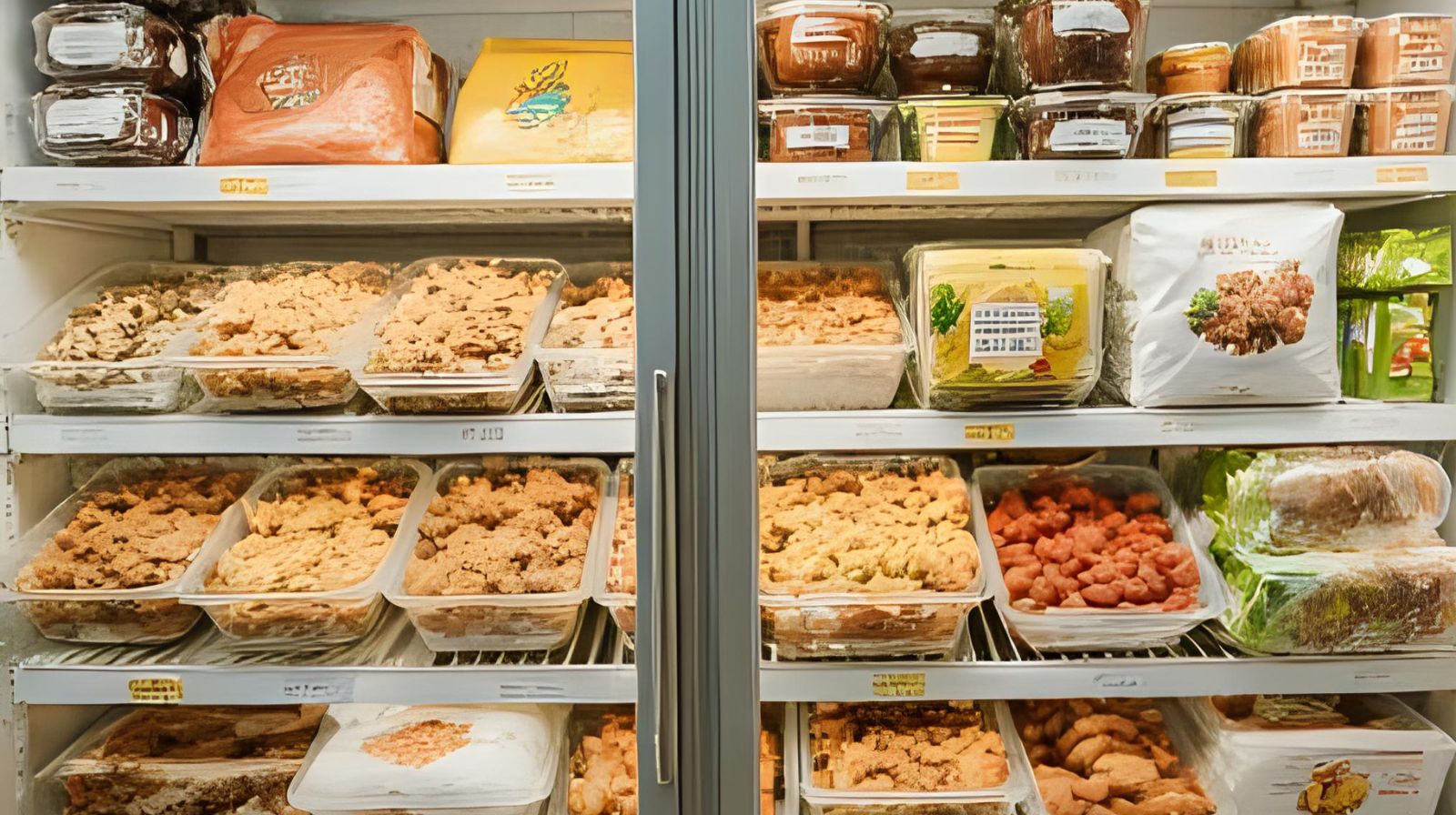
Bottom Line Up Front: With the average American family throwing away $1,500 worth of groceries annually and food waste comprising 30-40% of our food supply, strategic freezing can transform your household budget. These 22 categories represent scientifically-proven freezer wins that extend shelf life, preserve nutrients, and slash food waste while maximizing your grocery dollar.
Food prices aren’t coming down anytime soon, yet Americans continue to waste $380 billion worth of food annually. While we’re clipping more coupons and switching to generic brands, most families ignore their most powerful weapon against food waste and rising costs: the freezer.
Your freezer isn’t just cold storage—it’s a financial tool that can save your household $1,500+ annually while reducing your environmental impact. But not all foods freeze equally, and knowing which items benefit most from freezing separates strategic households from those who continue watching money spoil in their refrigerators.
The Food Waste Crisis: Why Freezing Matters More Than Ever
The stark reality of 2025:
- Average four-person household throws away nearly 33% of purchased food
- Food waste represents the single largest category in landfills (24% of municipal waste)
- 40% of household food waste consists of fruits and vegetables
- High-income countries waste 95-115 kg of food per capita annually
Environmental impact: Food waste generates more greenhouse gas emissions than entire countries. If food waste were a nation, it would rank third globally in emissions.
The freezing advantage: Properly frozen food remains safe indefinitely at 0°F (-18°C), with only quality degrading over time—not safety. This scientific fact means strategic freezing can eliminate expiration date anxiety and food spoilage losses.
The Science-Based Freezing Strategy
Understanding Freezer Fundamentals
Optimal conditions for maximum savings:
- Temperature: 0°F (-18°C) or below consistently
- Packaging: Airtight containers to prevent freezer burn
- Labeling: Date and contents for rotation system
- Organization: First in, first out (FIFO) principle
Nutrient preservation: Freezing doesn’t reduce nutrients. In many cases, frozen foods retain more vitamins than “fresh” foods that have traveled long distances or sat in storage.
Category 1: Proteins and High-Value Items
1. Pre-Cooked Meats and Poultry
Why freeze: Cooking in bulk and freezing portions provides ready-to-eat protein sources while taking advantage of bulk purchasing discounts.
Strategic approach: Cook large roasts, whole chickens, or ground meat in bulk. Portion into meal-sized containers with cooking liquids to maintain moisture. Reheat directly from frozen for quick weeknight dinners.
Savings potential: $200-300 annually by buying discounted bulk proteins and batch cooking.
2. Seafood and Fish
Why freeze: Fresh fish has a 1-2 day refrigerator life but maintains quality for 3-6 months frozen. Purchase on sale or when in season.
Pro tip: Many “fresh” fish at grocery stores were previously frozen anyway. You’re often paying premium prices for inferior quality compared to properly frozen fish.
3. Cooked Beans and Legumes
Why freeze: Cooking dried beans in bulk costs 60-80% less than canned versions and provides superior flavor and nutrition control.
Strategic method: Cook large batches in their cooking liquid, then freeze in 1-2 cup portions. Use for quick additions to soups, salads, and sides.
Nutrition advantage: Control sodium and additive content while maintaining fiber and protein benefits.
Category 2: Produce Power Plays
4. Overripe Bananas
Why freeze: Prevents waste of bananas past eating prime while creating ready-to-use smoothie and baking ingredients.
Method: Peel and slice before freezing to avoid difficult-to-handle frozen whole bananas. Perfect for smoothies straight from freezer.
5. Avocados at Peak Ripeness
Why freeze: Avocados have narrow window of perfect ripeness. Freezing prevents waste and provides smoothie-ready ingredients.
Technique: Puree with lemon juice before freezing in ice cube trays. Each cube equals approximately one small avocado’s worth of flesh.
6. Fresh Herbs
Why freeze: Fresh herbs cost $2-4 per package but often spoil before full use. Freezing preserves flavor and prevents waste.
Two methods:
- Oil method: Chop herbs, mix with olive oil, freeze in ice cube trays
- Flash freeze: Lay herbs on trays, freeze, then transfer to bags
Cost savings: Grow or buy herbs in season, freeze surplus for year-round use at fraction of fresh herb costs.
7. Seasonal Vegetables
Why freeze: Take advantage of peak season pricing and nutrition while ensuring year-round availability.
Blanching requirement: Most vegetables require brief blanching to deactivate enzymes and maintain quality. Exceptions include onions, peppers, and mushrooms.
Best candidates: Broccoli, cauliflower, green beans, corn, peas, and spinach freeze excellently.
8. Citrus Juice and Zest
Why freeze: Capture peak flavor when citrus is in season and affordable. Prevent waste when citrus fruits are approaching overripeness.
Method: Juice citrus fruits and freeze in ice cube trays. Zest can be frozen directly in bags. Perfect for recipes requiring small amounts.
Category 3: Convenience and Meal Prep Items
9. Cooked Rice and Grains
Why freeze: Eliminates cooking time for busy weeknight meals while preventing waste from large batches.
Technique: Cool completely before freezing in portion-sized containers. Reheat directly from frozen with splash of water.
Time savings: Transform 45-minute grain cooking into 3-minute reheating.
10. Pasta (Cooked)
Why freeze: Undercook slightly (al dente) before freezing. Prevents waste from large batch cooking.
Reheating: Drop frozen pasta directly into boiling water for 30-60 seconds, or microwave with splash of water.
11. Homemade Soup and Stew Bases
Why freeze: Prepare large batches of expensive-to-make bases (bone broths, vegetable stocks) for quick meal assembly.
Container strategy: Freeze in various sizes—ice cube trays for flavor additions, 2-cup containers for single meals, quart containers for family meals.
12. Bread and Baked Goods
Why freeze: Bread stales quickly but freezes excellently. Take advantage of day-old discounts and bulk purchases.
Method: Slice before freezing for individual use. Toast directly from frozen—often tastes fresher than day-old bread.
Expansion: Includes muffins, bagels, and pastries. Wrap individually for grab-and-go convenience.
Category 4: Dairy and Specialty Items
13. Cheese (Grated)
Why freeze: Bulk cheese purchases offer significant savings. Grated cheese freezes better than blocks.
Best types: Hard cheeses (cheddar, mozzarella, parmesan) freeze well. Softer cheeses work for cooking but texture changes for fresh eating.
Convenience factor: Pre-grated frozen cheese melts directly into dishes without thawing.
14. Milk
Why freeze: Extend shelf life when approaching expiration or take advantage of sales. Essential for households with fluctuating milk consumption.
Important: Leave space for expansion. Thawed milk works excellently for cooking and baking but texture changes for drinking.
15. Butter
Why freeze: Butter freezes for 6-12 months without quality loss. Stock up during sales.
Storage: Keep in original packaging or wrap tightly. Maintains spreading quality when thawed.
16. Eggs (Separated)
Why freeze: Prevent waste from excess eggs or take advantage of sales. Must be removed from shells.
Method: Beat whole eggs or separate whites/yolks before freezing. Label containers with egg quantities for recipe use.
Category 5: Pantry Staples and Specialty Items
17. Nuts and Seeds
Why freeze: High fat content causes nuts to go rancid quickly at room temperature. Freezing preserves freshness and flavor.
Benefits: Buy in bulk for significant savings. Frozen nuts taste fresh and maintain crunch.
Versatility: Use directly from freezer for most applications—no thawing required.
18. Whole Grain Flours
Why freeze: Whole grain flours contain oils that cause rancidity. Freezing extends shelf life from months to years.
Method: Store in airtight containers to prevent moisture and odor absorption.
Cost benefit: Buy specialty flours in bulk when available rather than purchasing small, expensive packages.
19. Coffee Beans
Why freeze: Contrary to popular belief, properly stored coffee beans freeze well for 2-3 months.
Technique: Freeze in airtight containers immediately after opening. Grind directly from frozen—don’t thaw first.
Quality maintenance: Prevents staleness better than counter storage for infrequent coffee drinkers.
Category 6: Prepared Foods and Leftovers
20. Homemade Sauces and Bases
Why freeze: Labor-intensive sauces (tomato sauce, pesto, curry bases) cost significant time and money to make fresh each time.
Portion strategy: Freeze in ice cube trays for single-serving additions, small containers for recipe amounts.
Examples: Tomato paste, coconut curry base, herb pestos, caramelized onions.
21. Cake and Desserts
Why freeze: Prevents waste from large desserts while providing ready-made treats for unexpected occasions.
Method: Wrap tightly in plastic wrap, then foil. Thaw at room temperature.
Opportunity: Take advantage of post-holiday dessert sales.
22. Vegetable Scraps for Stock
Why freeze: Transform kitchen waste into valuable cooking ingredients.
Collection method: Keep freezer bag for clean vegetable trimmings (onion peels, carrot tops, celery leaves, herb stems).
Usage: When bag is full, simmer for homemade vegetable stock—free ingredient from what would be waste.
Advanced Freezing Strategies for Maximum Impact
The Batch Cooking Revolution
Weekend prep approach:
- Dedicate 2-3 hours monthly to batch cooking
- Focus on proteins, grains, and sauces that freeze well
- Prepare 8-12 portions of various items
- Create “freezer meal kits” with multiple components
Seasonal Purchasing Power
Spring (March-May): Focus on preserving early vegetables, spring herbs Summer (June-August): Peak season for fruits and vegetables—maximum freezing opportunity Fall (September-November): Hearty vegetables, squashes, late season fruits Winter (December-February): Post-holiday deals on baking items, citrus fruits
Container and Packaging Systems
Essential equipment:
- Various sized freezer-safe containers
- Freezer bags (multiple sizes)
- Vacuum sealer for serious batch cooking
- Labels and permanent markers
- Ice cube trays for portion control
Organization principles:
- Label everything with contents and date
- Use clear containers when possible
- Maintain inventory list on freezer door
- Rotate stock using oldest items first
Troubleshooting Common Freezing Mistakes
Texture and Quality Issues
Problem: Mushy vegetables after thawing Solution: Most vegetables require blanching before freezing to deactivate enzymes
Problem: Freezer burn affecting taste Solution: Ensure airtight packaging and consistent freezer temperature
Problem: Ice crystal formation Solution: Cool foods completely before freezing; package in appropriate sizes
Food Safety Considerations
Never refreeze: Previously frozen and thawed items (unless cooked first) Temperature monitoring: Use freezer thermometer to ensure 0°F (-18°C) Power outage protocol: Food remains safe 48 hours in full freezer if door stays closed
Calculating Your Freezer ROI
Direct Savings Calculation
Waste reduction: If average household wastes $1,500 annually, preventing 50% waste = $750 savings Bulk purchasing: 20-30% savings on bulk protein and produce purchases Seasonal buying: 40-60% savings buying produce in peak season vs. off-season
Conservative annual savings estimate: $800-1,200 for strategic freezer use
Time Value Benefits
Meal prep time savings: 60-80% reduction in daily cooking time Shopping frequency: Reduce grocery trips by 25-30% Convenience value: Ready-to-cook ingredients available 24/7
The 30-Day Freezer Challenge
Week 1: Assessment and Setup
- Audit current freezer contents
- Invest in proper containers and labeling system
- Choose 3-5 categories to focus on initially
Week 2: Basic Implementation
- Start with easy wins: bread, herbs, bananas
- Begin collecting vegetable scraps for stock
- Batch cook one protein source
Week 3: Expand and Optimize
- Add seasonal produce preservation
- Implement soup/sauce freezing
- Develop rotation system
Week 4: Advanced Strategies
- Create complete freezer meal kits
- Establish monthly batch cooking routine
- Calculate savings and adjust strategy
Frequently Asked Questions
Q: How long do foods really stay good in the freezer? A: Properly frozen foods remain safe indefinitely at 0°F, though quality peaks vary by item. Most foods maintain excellent quality for 3-12 months depending on type and packaging.
Q: What foods should never be frozen? A: Avoid freezing foods with high water content that lose structure (lettuce, cucumbers, milk for drinking), mayonnaise-based items, and foods in cans.
Q: Is it worth buying a separate freezer? A: If you have space and plan to use it strategically, a chest freezer can pay for itself within 1-2 years through bulk purchasing and waste reduction.
Q: How do I prevent freezer burn? A: Use airtight packaging, remove excess air, and maintain consistent freezer temperature. Vacuum sealers provide best protection for long-term storage.
Your Strategic Freezing Action Plan
The key to freezer success isn’t just knowing what to freeze—it’s developing systems that consistently save money while improving meal convenience.
This week:
- Audit your current food waste by tracking what you throw away for 7 days
- Check your freezer temperature and invest in a freezer thermometer if needed
- Choose 3 categories from this guide to implement immediately
- Invest in basic containers and labeling supplies
- Start a vegetable scrap collection for future stock making
This month:
- Implement batch cooking for one protein source
- Begin seasonal produce preservation
- Establish freezer inventory system
- Calculate actual savings from reduced waste
Long-term success:
- Develop monthly batch cooking routines
- Learn seasonal purchasing patterns for maximum savings
- Expand freezer strategies based on your family’s eating patterns
- Consider investing in additional freezer space if ROI justifies cost
The bottom line: Strategic freezing transforms your relationship with food from wasteful consumption to efficient resource management. In an era of rising food costs and environmental consciousness, your freezer becomes both a financial tool and an environmental statement.
The 22 categories in this guide represent proven opportunities where freezing provides clear advantages over fresh storage or disposal. Master even half of these strategies, and you’ll join the ranks of households that view their freezer as an investment rather than just cold storage.
Start with items you already buy regularly, learn the techniques, and gradually expand your freezing repertoire. Your future self—and your bank account—will thank you for taking control of one of your largest and most wasteful household expenses. In a world of rising costs and environmental challenges, strategic freezing isn’t just smart—it’s essential.