

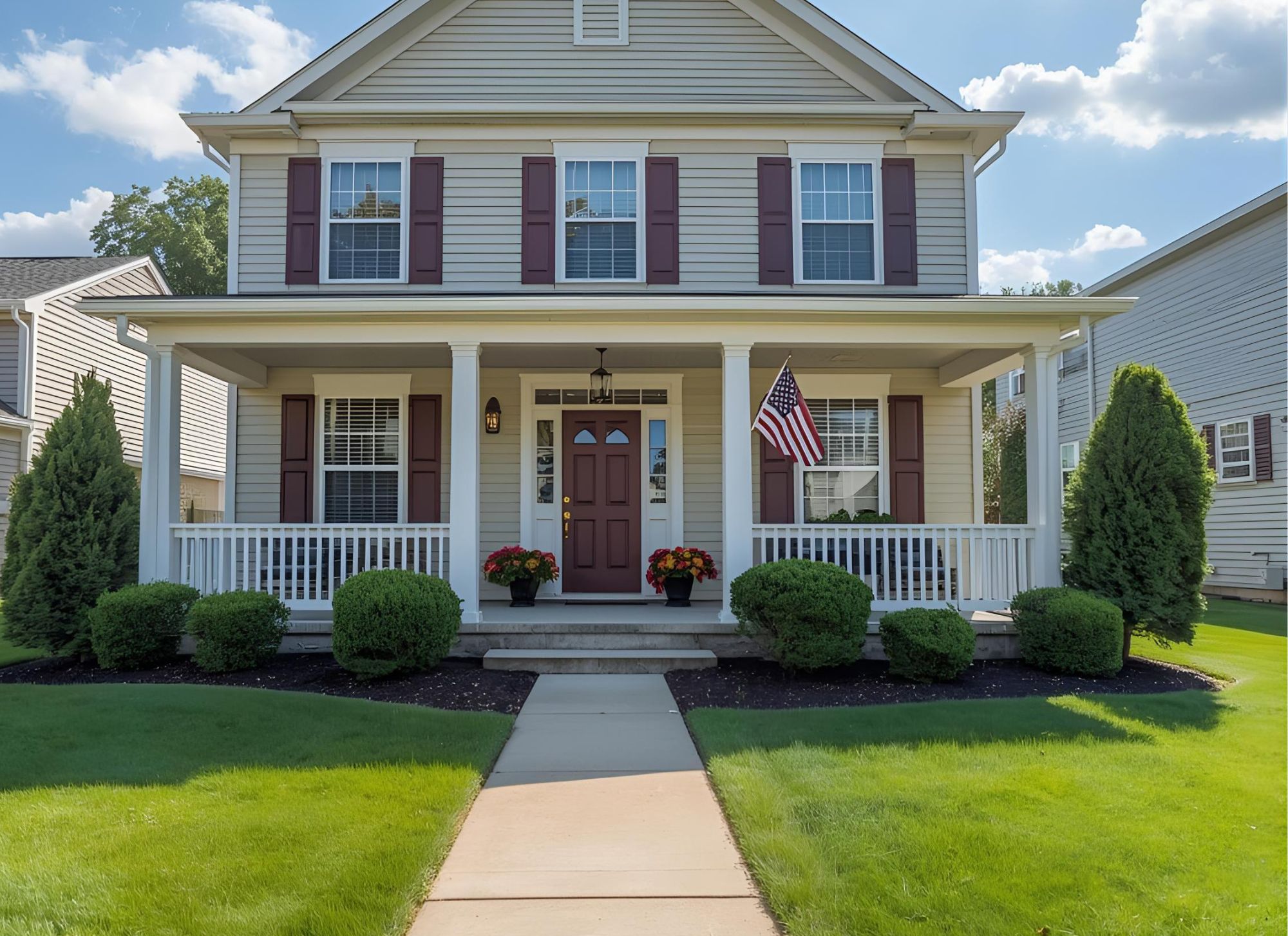
Master your final walkthrough before closing on a home. Complete room-by-room checklist, red flags to watch for, negotiation strategies when problems arise, and expert tips to protect your investment.
The Final Walkthrough: Your Last Line of Defense
You’ve survived months of house hunting, offer negotiations, inspections, appraisals, and mortgage underwriting. Closing day looms 24 hours away. Your boxes are packed, movers are scheduled, and you’re mentally moved into your new home. Then your agent mentions the final walkthrough—a seemingly minor formality between you and homeownership.
Here’s what most buyers don’t realize until it’s too late: the final walkthrough represents your last opportunity to verify the property you’re about to purchase matches the property you agreed to buy. Skip it or rush through it, and you might discover—after closing, when you have zero leverage—that the seller removed fixtures, caused damage during move-out, or left the property in unacceptable condition.
The statistics are sobering: roughly 15-20% of final walkthroughs reveal issues requiring resolution before closing can proceed. These aren’t minor quibbles—they’re substantial problems like flooded basements, removed appliances that should have remained, unpermitted modifications discovered after permits were pulled, or major damage from the moving process.
The financial stakes are equally significant. Problems discovered after closing become your responsibility and expense. A $5,000 plumbing issue, a $3,000 appliance replacement, or a $10,000 sewer line repair—these costs shift from the seller’s obligation to your burden the moment you sign closing documents without addressing them.
This comprehensive guide transforms the final walkthrough from perfunctory formality into strategic protection mechanism. You’ll learn exactly what to inspect, how to identify problems, what leverage you have when issues arise, and how to ensure you’re not inheriting someone else’s problems or paying for their moving day mistakes.
Understanding the Final Walkthrough: Purpose and Limitations
What the Final Walkthrough IS
Verification of agreed-upon condition: Confirms the property remains in the same condition as when you made your offer (or better, if repairs were negotiated).
Completion verification: Ensures any negotiated repairs, improvements, or modifications were completed as agreed.
Removal confirmation: Verifies the seller removed their personal property and left behind items specified in the purchase agreement (appliances, fixtures, window treatments).
Systems functionality check: Tests that all major systems (plumbing, electrical, HVAC, appliances) function properly.
Damage detection: Identifies any new damage that occurred since your previous visit, particularly damage from moving process.
What the Final Walkthrough IS NOT
NOT a home inspection: You’re not discovering new issues or conducting detailed evaluation of systems, structures, or potential problems. Home inspections occur weeks earlier in the process.
NOT a negotiation opportunity for new issues: You cannot demand repairs, credits, or price reductions for problems that existed during the inspection period but weren’t addressed then. Final walkthrough addresses only issues that arose after the inspection or verifies completion of agreed repairs.
NOT an opportunity to change your mind: Unless you discover substantial new damage or material changes to the property, you cannot back out without potentially forfeiting earnest money and facing breach of contract.
Legal Standing and Timing
When it occurs: Typically 24-48 hours before closing, after the seller has vacated. Some jurisdictions allow walkthroughs up to 5-7 days before closing.
Who attends: You, your real estate agent, and potentially your spouse/partner or family members who’ll be living in the home. Seller’s agent may attend; seller rarely does unless still occupying the property.
Duration: Thorough walkthroughs take 45-90 minutes for typical single-family homes. Larger properties or those with issues require 2+ hours.
Your leverage: If significant problems emerge, you can delay closing until repairs are made, negotiate credits for repairs you’ll handle post-closing, or (in extreme cases) walk away from the transaction.
The Complete Room-by-Room Walkthrough Checklist
Exterior and Property Perimeter
Curb Appeal and Front Yard:
- [ ] Landscaping intact (no removed plants, trees, or bushes that should remain)
- [ ] Irrigation systems functional (if applicable)
- [ ] Mailbox present and functional
- [ ] House numbers/address markers present
- [ ] Driveway and walkways clear of debris
- [ ] No new cracks or damage to driveway, sidewalks, or patio areas
- [ ] Exterior lighting functional (porch lights, pathway lights)
Garage and Carport:
- [ ] Garage door opener functional (test with remote and wall button)
- [ ] All remotes and keypads left as agreed
- [ ] Door closes completely and safety sensors work
- [ ] Garage interior clean and debris-free
- [ ] Storage cabinets, shelving, or workbenches remain if agreed
- [ ] Water heater present and functional (if located in garage)
- [ ] Electrical outlets functional
- [ ] No oil stains or fluid leaks from seller’s vehicles
Roof and Exterior Walls:
- [ ] No visible new damage to roof (walk perimeter, look up)
- [ ] Gutters and downspouts intact
- [ ] Exterior siding, brick, or stucco shows no new damage
- [ ] No evidence of new leaks (check ceiling inside for water stains)
- [ ] Exterior paint/finish same condition as previous viewing
- [ ] HVAC exterior components present and undamaged
Backyard and Outdoor Spaces:
- [ ] Fencing intact (no removed sections, damaged areas from moving trucks)
- [ ] Deck, patio, or outdoor structures undamaged
- [ ] Outdoor outlets functional
- [ ] Pool/spa operational if applicable (test equipment, check water clarity)
- [ ] Outdoor lighting functional
- [ ] Sprinkler/irrigation system operational
- [ ] Trash bins and recycling containers present if included
- [ ] Lawn furniture, grills, or outdoor items present if specified in contract
Living Areas and Common Spaces
Living Room, Family Room, Den:
- [ ] All light fixtures present and operational
- [ ] Ceiling fans work on all speeds
- [ ] Electrical outlets functional (test several with phone charger)
- [ ] Windows open, close, and lock properly
- [ ] Window screens present and undamaged
- [ ] Curtain rods, blinds, or shutters present if specified
- [ ] Flooring undamaged (no new scratches, gouges, or stains)
- [ ] Walls and ceilings undamaged (no new holes from removed wall mounts)
- [ ] Fireplace functional if applicable (check for debris, test gas if gas fireplace)
- [ ] Built-in shelving, entertainment centers intact if specified
- [ ] HVAC vents present (sellers sometimes remove decorative vent covers)
Kitchen:
- [ ] All appliances present (refrigerator, stove/oven, dishwasher, microwave per contract)
- [ ] All appliances functional:
- [ ] Refrigerator cools properly, ice maker works
- [ ] Stove/oven burners heat, oven reaches temperature
- [ ] Dishwasher runs complete cycle, no leaks
- [ ] Microwave heats properly
- [ ] Range hood/exhaust fan operates on all speeds
- [ ] Garbage disposal works (run with water)
- [ ] Sink faucets work, hot water arrives within reasonable time
- [ ] Check under sink for leaks while water runs
- [ ] Cabinet doors and drawers open/close properly
- [ ] Countertops undamaged (no new chips or cracks)
- [ ] Lighting functional (overhead, under-cabinet if present)
- [ ] Backsplash intact (no removed or damaged tiles)
Dining Room:
- [ ] Light fixtures present and functional (especially chandeliers specified in contract)
- [ ] Window treatments present if specified
- [ ] Flooring undamaged
- [ ] Built-in features intact (china cabinets, buffets if specified)
Bedrooms and Private Spaces
All Bedrooms:
- [ ] Closet doors functional
- [ ] Closet lighting works
- [ ] Closet shelving, rods, organizers present if built-in
- [ ] Windows operational and lock
- [ ] Window treatments present if specified
- [ ] Ceiling fans functional on all speeds
- [ ] Light fixtures present and operational
- [ ] Electrical outlets functional
- [ ] Flooring undamaged (especially important in rooms with heavy furniture)
- [ ] Walls undamaged (check behind where bed headboard was located)
Primary Suite/Master Bedroom:
- [ ] All bedroom checklist items above
- [ ] Walk-in closet systems intact if built-in
- [ ] Ensuite bathroom functional (see bathroom checklist below)
Bathrooms
Every Bathroom (including powder rooms, ensuites, and full baths):
- [ ] Toilet flushes properly, fills correctly, doesn’t run continuously
- [ ] Check for leaks around toilet base while flushing
- [ ] Sink faucets functional, hot water available
- [ ] Check under sink for leaks while water runs
- [ ] Shower head and tub faucet functional
- [ ] Water pressure adequate in shower
- [ ] Hot water arrives in shower/tub within 2-3 minutes
- [ ] Tub or shower drains properly (run water for 2-3 minutes)
- [ ] Check for leaks around tub/shower while water runs
- [ ] Exhaust fan operates (should feel air being pulled up)
- [ ] Light fixtures functional
- [ ] Electrical outlets functional (especially GFCI outlets)
- [ ] Cabinet doors/drawers functional
- [ ] Mirrors intact and properly mounted
- [ ] Towel bars, toilet paper holders present
- [ ] Medicine cabinets present if specified
- [ ] No water damage on ceilings, walls, or floors
Utility Areas and Systems
Laundry Room:
- [ ] Washer and dryer present if specified in contract
- [ ] Washer and dryer functional:
- [ ] Washer fills, agitates, spins, drains
- [ ] Dryer heats and tumbles
- [ ] No leaks from washer connections
- [ ] Laundry sink functional if present
- [ ] Dryer vent clear and properly connected
- [ ] Storage cabinets present if built-in
- [ ] Flooring undamaged
HVAC Systems:
- [ ] Heating system turns on and produces heat
- [ ] Air conditioning turns on and produces cool air
- [ ] Thermostat responds to temperature changes
- [ ] Air flows from all vents throughout home
- [ ] System changed to new filter (verify with seller)
- [ ] No unusual noises from HVAC equipment
- [ ] All vents and registers present (not removed during moving)
Water Heater:
- [ ] Water heater present and operational
- [ ] No visible leaks around base
- [ ] Hot water available throughout home within reasonable time
- [ ] Temperature setting appropriate (120°F typically)
- [ ] Pressure relief valve intact
Electrical Panel:
- [ ] All circuit breakers present and labeled
- [ ] No signs of burning, melting, or damage
- [ ] Panel cover secure
Plumbing:
- [ ] All fixtures functional (sinks, toilets, showers, tubs)
- [ ] No visible leaks anywhere
- [ ] Water pressure adequate throughout home
- [ ] Drains clear (run water in every sink, tub, shower)
- [ ] Sump pump functional if applicable (pour water into pit to test)
Basement and Attic Spaces
Basement:
- [ ] Stairs safe and intact
- [ ] Lighting functional
- [ ] No water intrusion or dampness (check corners and along walls)
- [ ] Sump pump present and functional if applicable
- [ ] Floor drains clear
- [ ] Foundation walls show no new cracks
- [ ] All windows operational if present
- [ ] Electrical outlets functional
- [ ] No sewage odors (could indicate sewer line problems)
Attic:
- [ ] Access panel present and accessible
- [ ] Insulation intact (not removed or damaged)
- [ ] No signs of roof leaks (water stains, wet insulation)
- [ ] Ventilation functional (fans work if motorized)
- [ ] No evidence of pest intrusion
- [ ] No unusual odors suggesting problems
Critical Red Flags During Final Walkthrough
Major Problems Requiring Immediate Attention
1. Water damage or active leaks:
- Ceiling stains suggesting roof leaks
- Pooling water anywhere in home
- Damp carpets or flooring
- Water stains under sinks or around toilets
- Basement flooding or water intrusion
Action: Document extensively with photos and video. Demand repair or substantial credit before closing. These indicate systemic problems that could cost thousands.
2. Removed fixtures or appliances that should remain:
- Kitchen appliances missing that were specified in contract
- Light fixtures removed (especially expensive chandeliers)
- Window treatments gone that were included
- Built-in shelving or cabinets removed
Action: Review purchase contract for specific inclusions. If items were specified, seller must replace or provide credit for replacement cost. Don’t close until resolved.
3. Unpermitted modifications discovered:
- Building permits posted on property for work you weren’t informed about
- Evidence of unpermitted structural changes
- Addition of spaces not reflected in property records
Action: Serious issue affecting title and insurance. Consult attorney immediately. May require delaying closing to resolve permit issues.
4. Non-functional major systems:
- HVAC not heating or cooling
- Water heater not producing hot water
- Plumbing systems completely non-functional
- Electrical issues (breakers tripping, outlets not working throughout home)
Action: Major systems must be functional at closing. Demand immediate repair or credit for repair costs. These aren’t minor issues you should accept.
5. Severe move-out damage:
- Holes in walls from removed wall mounts
- Damaged flooring from furniture moving
- Broken windows or doors
- Damaged countertops or fixtures
Action: Document thoroughly. Seller is responsible for damage caused during move-out. Negotiate repair credit or delay closing until repairs completed.
Moderate Issues Requiring Negotiation
Missing remote controls or access devices:
- Garage door openers
- Security system codes/keypads
- Pool/spa controls
- Smart home devices that should remain
Dirty or debris-filled property:
- Seller’s belongings still present
- Garbage and debris throughout home
- Unclean condition requiring professional cleaning
Minor damage discoveries:
- Small holes in walls
- Minor scratches or scuffs
- Missing light bulbs
- Dirty appliances
Action for moderate issues: Negotiate credits for repair, cleaning, or replacement. Amounts typically $500-2,000 depending on severity. Many buyers accept credits rather than delaying closing for minor repairs.
Vacant Home Special Considerations
Why Vacant Homes Require Extra Vigilance
Vacant homes develop problems that occupied homes avoid. When homes sit empty for weeks or months, issues emerge:
Plumbing problems from non-use:
- Drain traps dry out, causing sewer gas odors
- Pipes corrode or develop leaks when stagnant
- Water hammer issues when systems restart
HVAC issues:
- Systems turned off may fail when restarted
- Rodents or pests enter through vents
- Condensation and mold in ductwork
Pest intrusion:
- Rodents, insects, or birds enter vacant homes
- Evidence: droppings, nesting materials, chewed items
Theft or vandalism:
- Fixtures or appliances stolen
- Copper piping removed
- Vandalism if property unsecured
Enhanced Vacant Home Inspection Protocol
Run all water fixtures for 3-5 minutes: Not just quick tests—actually run sinks, showers, and tubs for several minutes to verify drainage and identify leaks.
Test all systems extensively: Heat the home for 30+ minutes to verify HVAC functionality. Cool it down. Cycle systems through complete operations.
Inspect outdoor plumbing carefully: Vacant homes often have outdoor faucet breaks, irrigation line breaks, or sewer line issues that manifest when systems run.
Check for freeze damage: If home was vacant during winter, carefully inspect all plumbing for freeze damage (burst pipes, cracked fixtures).
Verify security systems still function: Code any security systems, test all entry points, confirm monitoring service is still active if being transferred.
Occupied Home Walkthrough Strategy
When Sellers Haven’t Moved Yet
Sometimes closing occurs while sellers still occupy the property or they’re moving the same day. This creates different challenges and opportunities.
Advantages of occupied walkthroughs:
Direct seller access: Ask questions about quirks, systems, maintenance history, or neighborhood information.
Working systems: Everything should be functional since it’s currently being used.
Complete view: See exactly what condition the home is in with seller’s possessions present.
Disadvantages:
Can’t check behind furniture: Major areas are blocked by seller’s belongings.
Hard to assess cleanliness: Property appears cluttered and lived-in.
Uncomfortable inspecting: Feels intrusive to thoroughly inspect someone’s occupied home.
Strategic Questions for Sellers During Occupied Walkthroughs
“What’s one improvement you always wanted to make but never did?” Reveals seller’s perception of property deficiencies. If they mention foundation concerns, old HVAC, or plumbing issues, investigate carefully.
“Have you had any problems with [specific system] that I should know about?” Direct question about systems you’re concerned about. Many sellers will disclose issues they’re not technically required to mention.
“What do the neighbors on each side do? Any noise issues?” Learn about neighbors before committing. Noisy neighbors, barking dogs, or problematic situations are good to know.
“What’s the best and worst thing about living here?” Opens conversation about both positives and concerns seller experienced.
“Are there any seasonal issues with the property?” Foundation movement, drainage problems, HVAC capacity issues—all might be seasonal and not apparent during your walkthrough.
“When was the last time you serviced [HVAC/water heater/appliances]?” Establish maintenance history for major systems and appliances.
“What utilities typically cost monthly?” Real-world data about heating, cooling, water, and electric costs helps with budget planning.
What to Do When Problems Are Discovered
Immediate Documentation Protocol
Photography and video: Take extensive photos and video of every problem discovered. Include:
- Wide shots showing location in home
- Close-up shots showing detail of damage/issue
- Video walkthroughs narrating problems as you film
Written notes: Create detailed written list of every issue, organized by room/location. Note severity (major, moderate, minor).
Time-stamped evidence: Ensure photos and videos have accurate timestamps proving issues were documented during final walkthrough.
Negotiation Strategies
For major issues (non-functional systems, significant damage, missing appliances):
Option 1: Delay closing until repairs completed
- Safest approach ensuring problems are fixed before you take ownership
- Seller coordinates and pays for repairs
- You verify completion before signing closing documents
- Delays your move-in by days or weeks
Option 2: Negotiate substantial credit at closing
- Seller provides credit reducing your cash needed at closing
- You coordinate repairs after closing using credit funds
- Faster path to closing but you assume repair responsibility
- Credit should be 120-150% of estimated repair cost to cover your time and potential cost overruns
Option 3: Escrow holdback
- Portion of seller’s proceeds held in escrow pending repair completion
- Seller completes repairs post-closing, then funds released
- Ensures seller has financial incentive to complete repairs
- Title company or attorney manages escrow
For moderate issues ($500-2,000 repairs):
Most buyers negotiate closing credits rather than delaying closing. Calculate fair credit and request reduction in final settlement.
For minor issues (under $500):
Many buyers absorb minor issues to avoid conflict and proceed with closing. Consider whether fighting over $200-300 is worth potential relationship damage or delay.
Leverage and Negotiating Position
Your leverage increases if:
- You’re close to closing and seller has already moved
- Seller needs to close by specific date for their purchase
- Issues are clearly seller’s responsibility (move-out damage)
- Problems are substantial and undisclosed
Your leverage decreases if:
- You’ve already waived inspection contingencies
- Issues are minor or subjective
- Seller can easily find backup buyer
- You have hard deadline for move (apartment lease ending, job start date)
Strategic approach: Focus on major issues worth fighting for. Let minor items go to preserve goodwill and avoid jeopardizing closing over immaterial problems.
Final Walkthrough Checklist: Printable Guide
Before You Begin:
- [ ] Schedule walkthrough 24-48 hours before closing
- [ ] Bring flashlight for inspecting dark areas
- [ ] Bring phone charger for testing outlets
- [ ] Bring copy of purchase contract to verify included items
- [ ] Bring list of negotiated repairs to verify completion
- [ ] Allow 60-90 minutes minimum for thorough inspection
- [ ] Bring your real estate agent
- [ ] Bring notepad or tablet for documenting issues
During Walkthrough:
- [ ] Complete room-by-room checklist (from earlier section)
- [ ] Test every light switch and outlet
- [ ] Run water in every sink, shower, and tub
- [ ] Flush every toilet
- [ ] Test all appliances
- [ ] Open and close every window and door
- [ ] Run heating system for 15+ minutes
- [ ] Run cooling system for 15+ minutes
- [ ] Check all closets, cabinets, and storage
- [ ] Inspect attic and basement thoroughly
- [ ] Document any problems with photos/video
- [ ] Take meter readings (water, gas, electric) for utility transfer
Special Attention Items:
- [ ] Verify all negotiated repairs completed properly
- [ ] Confirm all included fixtures and appliances present
- [ ] Check areas behind where furniture was located
- [ ] Inspect for move-out damage
- [ ] Verify no personal property remains (unless agreed)
- [ ] Test security system if present
- [ ] Collect all remotes, keys, garage openers
- [ ] Get access codes for security, garage keypad, etc.
After Walkthrough:
- [ ] Discuss any issues immediately with agent
- [ ] Determine which issues require negotiation
- [ ] Document agreement on any credits or repairs
- [ ] Verify seller’s forwarding address for future mail
- [ ] Exchange contact information with seller if appropriate
- [ ] Confirm all issues resolved before closing
Common Final Walkthrough Mistakes to Avoid
Mistake #1: Rushing Through the Walkthrough
The problem: Buyers feeling time pressure or excitement skip thorough inspections, missing problems that cost thousands post-closing.
The solution: Schedule adequate time (60-90 minutes minimum). Don’t combine walkthrough with closing appointment—do them on separate days.
Mistake #2: Not Bringing the Purchase Contract
The problem: Without contract reference, you can’t verify which items were included, leading to disputes about missing fixtures.
The solution: Bring complete purchase contract and review Inclusions/Exclusions section carefully during walkthrough.
Mistake #3: Skipping Systems Testing
The problem: Not actually running HVAC, appliances, or plumbing systems means non-functional items aren’t discovered until you move in.
The solution: Actually operate every system. Run HVAC for 15+ minutes. Test all appliance cycles. Run water for several minutes in each location.
Mistake #4: Accepting “It Was Working Fine Last Week”
The problem: Sellers or agents dismiss problems by claiming systems worked recently, pressuring you to accept issues.
The solution: Condition at final walkthrough is what matters, not previous condition. Systems must work now, not last week.
Mistake #5: Agreeing to Fix Problems Yourself
The problem: Sellers suggest you handle minor repairs to avoid delaying closing. You accept, then discover “minor” issues cost thousands.
The solution: Require credits or escrow holdbacks. Don’t trust seller estimates of repair costs or complexity.
Mistake #6: Not Documenting Issues
The problem: Without photo/video evidence, you have no proof problems existed at walkthrough, weakening your negotiating position.
The solution: Photograph and video everything. Over-document rather than under-document.
Frequently Asked Questions About Final Walkthroughs
Can I back out after the final walkthrough if I find problems?
Your ability to back out depends on your contract and the severity of issues. For significant problems that represent material changes to property condition (major flood damage, seller removed all appliances that were included, severe structural damage), you may have grounds to cancel without forfeiting earnest money. For minor issues, you typically cannot back out—your recourse is negotiating repairs or credits. If you’ve removed all contingencies, backing out for any reason likely means forfeiting earnest money. Consult your real estate attorney if you’re considering canceling based on walkthrough discoveries.
What if the seller refuses to fix problems found during the walkthrough?
You have several options: (1) Delay closing until repairs are made, indicating you won’t proceed without resolution; (2) Negotiate credit at closing equal to repair costs—you fix issues post-closing using credit funds; (3) Negotiate escrow holdback where seller’s proceeds are held pending repair completion; (4) If issues are major and seller completely refuses to address, walk away from the transaction (potential consequences: forfeiting earnest money depending on contract terms). Your agent and attorney can advise on best approach based on specific situation.
Should I bring a home inspector to the final walkthrough?
For most transactions, this isn’t necessary—the final walkthrough isn’t a home inspection and focuses on verifying agreed condition, not discovering new problems. However, bring an inspector if: negotiated repairs were extensive and you want professional verification of quality, the home was vacant for months and you want thorough systems testing, or significant time passed since original inspection and you’re concerned about changes. Inspector fees typically run $200-400, which might be worthwhile for peace of mind on complex situations.
What happens if I skip the final walkthrough?
Skipping the walkthrough means accepting the property in whatever condition it’s delivered. If you discover problems after closing (missing appliances, flood damage, non-functional systems), you have minimal recourse. The seller has your money, they’ve moved out, and forcing them to repair or compensate becomes extremely difficult legally. You essentially give up your last opportunity to address problems before ownership transfers to you. Never skip the final walkthrough—it’s your most important protection against inheriting costly problems.
How long should the final walkthrough take?
For typical single-family homes (1,500-2,500 square feet), plan 60-90 minutes for thorough walkthrough. Larger homes (3,000+ square feet) or properties with extensive features (pools, guesthouses, multiple buildings) require 90-120 minutes. Rushing through in 20-30 minutes means you’ll miss problems. If you discover issues requiring testing or documentation, add 30-60 minutes. Block adequate time and don’t schedule immediately before other appointments.
Can the seller attend the final walkthrough?
Sellers rarely attend, though there’s no rule against it. Benefits of seller attendance: you can ask questions directly, get information about systems and quirks, and establish rapport. Drawbacks: sellers may feel defensive about your thorough inspection, uncomfortable situations if problems are found, and sellers may hover or rush you. Most walkthroughs involve buyers and their agent only, with seller’s agent sometimes attending. If seller insists on being present, that’s usually fine—just be thorough regardless of any discomfort.
What if I can’t schedule the walkthrough close to closing?
Standard practice is 24-48 hours before closing, ensuring minimal time for new issues to develop. If schedule conflicts force earlier walkthroughs (5-7 days before closing), include contract language requiring another brief walkthrough immediately before closing to verify no new issues emerged. This “double walkthrough” approach adds time but protects you if significant time passes between initial walkthrough and closing. Never conduct final walkthrough weeks before closing with no follow-up verification.
The Bottom Line: Never Skip This Critical Step
The final walkthrough stands between you and potentially thousands of dollars in unexpected repair costs, missing appliances, or damage you didn’t cause. While it might seem like a formality when you’re excited about moving into your new home, treating it as serious protection mechanism saves money and prevents post-closing nightmares.
The 15-20% of final walkthroughs that uncover problems prove this step’s value. Problems discovered during walkthrough—when you still have leverage—can be addressed before closing. Problems discovered after closing—when you’ve signed away your negotiating position—become your responsibility and expense with little recourse against the seller.
Successful final walkthroughs share common characteristics: adequate time allocated (60-90 minutes minimum), systematic room-by-room inspection using comprehensive checklist, actual testing of all systems (not just visual inspection), extensive photo and video documentation of any problems, and immediate addressing of any issues before proceeding to closing.
The buyers who encounter post-closing problems usually made predictable mistakes: rushing through walkthrough in 20-30 minutes, accepting seller/agent assurances that problems “aren’t serious,” skipping actual systems testing, or feeling pressured to overlook issues to avoid delaying closing.
Ready for your final walkthrough? Print the comprehensive checklist from this guide and schedule your walkthrough for 24-48 hours before closing. Bring your real estate agent, allow 90 minutes minimum, and methodically work through every inspection point. Take photos of anything concerning, test every system, and don’t sign closing documents until you’re satisfied the property meets your agreed-upon expectations.