

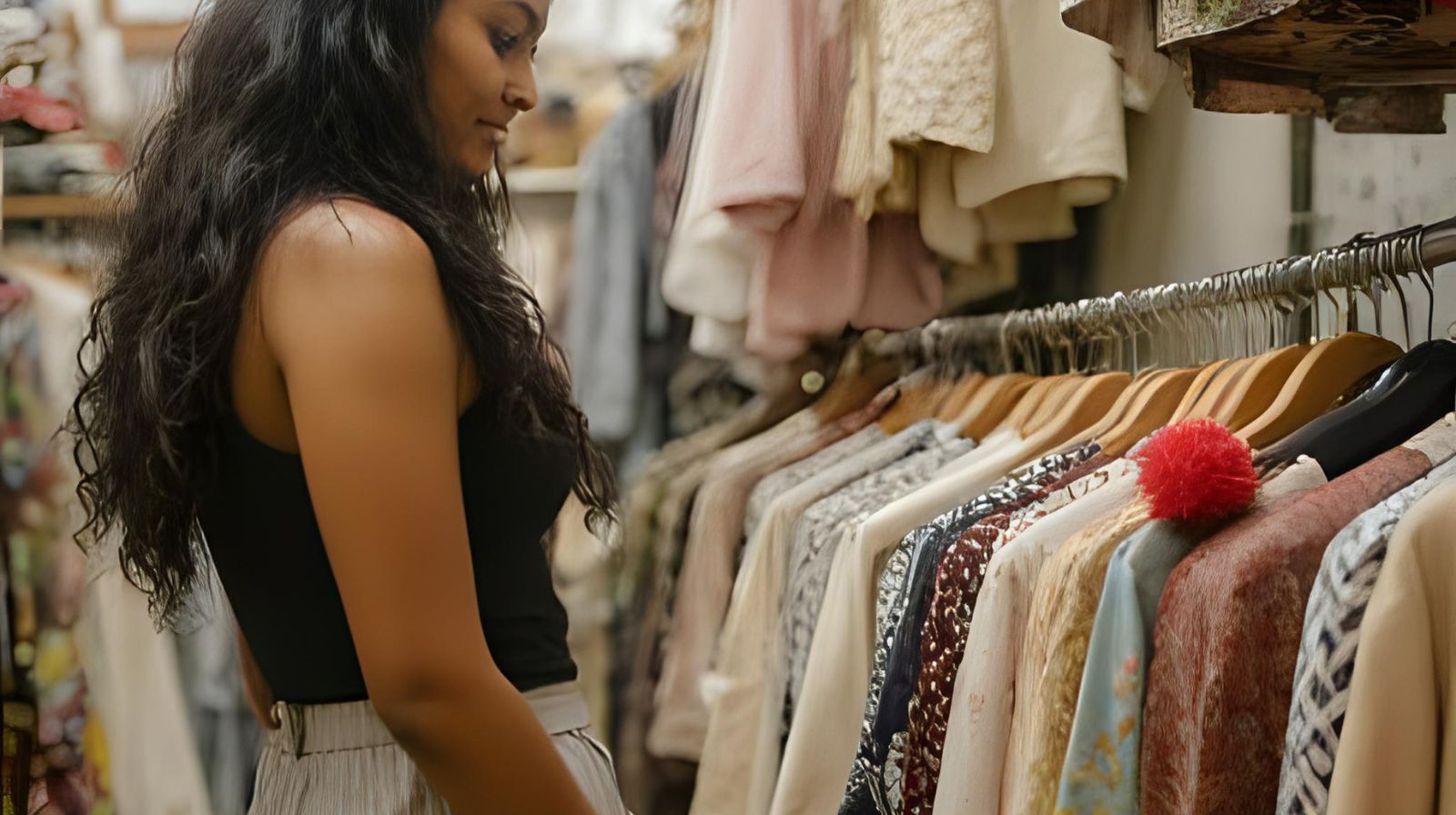
Bottom Line Up Front: With the secondhand market growing 14% in 2024 and reaching $22 billion, smart shoppers who know what to buy thrifted can save $150+ monthly while reducing their carbon footprint by 25%. These 25 categories represent the sweet spot where thrifting offers maximum value, quality, and sustainability benefits over buying new.
Thrifting has evolved from a budget necessity to a strategic lifestyle choice. In 2025, 58% of American consumers shopped for secondhand apparel, and the trend shows no signs of slowing. But not all thrift purchases are created equal—knowing which items consistently deliver better value, quality, and uniqueness when bought secondhand separates savvy shoppers from casual browsers.
The secret isn’t just about saving money (though the average thrift shopper saves nearly $150 monthly). It’s about understanding which categories have stood the test of time, offer superior vintage quality, or provide access to luxury items at accessible prices.
The Thrift Shopping Revolution: Why Now Matters
Market dynamics working in your favor:
- Online resale grew 8 times faster than traditional retail in 2024
- 62% of consumers say tariffs are pushing them toward secondhand options
- Baby boomers control 50% of thrift store spending power
- 83% of Gen Z actively shop or are open to shopping secondhand
Environmental impact: Each thrifted clothing item saves 8.41 pounds of carbon emissions, 16.48 kWh of energy, and 88.89 gallons of water compared to buying new.
Quality advantage: Unlike today’s fast fashion, vintage and previously-owned items often feature superior materials, construction techniques, and durability that modern manufacturing has abandoned in favor of cost-cutting.
The Strategic Thrift Shopping Framework
Category 1: Vintage and Designer Fashion
Why thrifting wins: Access to authentic vintage pieces and luxury brands at 10-20% of retail prices.
1. Designer Handbags and Accessories
High-end leather goods from brands like Coach, Louis Vuitton, and Gucci often improve with age. Vintage pieces feature better leather quality and craftsmanship than contemporary versions. Look for pre-2000s pieces when luxury brands still prioritized materials over profit margins.
What to look for: Authentic hardware, quality stitching, and minimal wear on corners and handles.
2. Vintage Band and Concert T-Shirts
Original concert tees from the 70s-90s can be worth hundreds of dollars. The vintage rock tee market has exploded, with authentic pieces commanding premium prices. Even non-rare vintage band tees offer superior fabric quality and authentic distressed looks.
Authentication tips: Check tag styles, fabric blend (100% cotton was standard), and print techniques (screen printing vs. modern digital prints).
3. Cashmere and Wool Sweaters
High-quality cashmere and wool pieces often cost $200+ new but can be found for $10-30 thrifted. Look for Scottish cashmere, Italian wool, or brands like Burberry, Ralph Lauren, and Banana Republic from the 1990s-2000s.
Quality indicators: Check for pilling resistance, fabric weight, and brand labels indicating country of origin.
4. Vintage Denim
Original Levi’s 501s, Lee, and Wrangler jeans from the 1980s-1990s feature heavier denim and better construction than modern versions. The “broken-in” feel takes years to achieve naturally.
Value markers: Look for USA-made labels, selvage edges, and original hardware.
5. Leather Jackets and Boots
Quality leather improves with age and wear. Vintage leather jackets often feature full-grain leather and superior construction techniques that modern fast-fashion brands have abandoned.
Investment pieces: Schott, Aero, Vanson for jackets; Red Wing, Frye, and Doc Martens for boots.
Category 2: Home and Lifestyle Essentials
Why thrifting wins: Access to solid wood furniture, unique décor, and discontinued patterns at fraction of retail cost.
6. Solid Wood Furniture
Real wood furniture from the 1950s-1980s offers superior construction compared to particle board alternatives. Mid-century modern pieces, in particular, have appreciated significantly in value.
What to seek: Dovetail joints, solid wood construction, and maker’s marks from quality manufacturers.
7. Vintage Pyrex and Corningware
Original Pyrex patterns from the 1950s-1970s are not only collectible but also functional. The older formulations were more durable than modern versions.
Collector favorites: Butterfly Gold, Harvest, and Atomic patterns command premium prices but function beautifully for daily use.
8. Cast Iron Cookware
Vintage Lodge, Griswold, and Wagner cast iron pieces often feature smoother cooking surfaces than modern versions. They’re also pre-seasoned from decades of use.
Quality indicators: Smooth cooking surface, minimal rust, and recognizable maker’s marks.
9. Picture Frames and Mirrors
Vintage frames often feature real wood, quality glass, and superior hardware. Ornate vintage mirrors can cost hundreds new but are regularly found for $10-50.
Restoration potential: Even damaged pieces can be restored affordably for unique décor elements.
10. Persian and Oriental Rugs
Hand-knotted rugs improve with age and can last centuries. Vintage pieces often sell for far less than their replacement value while offering character impossible to replicate.
Authentication tips: Check for hand-knotting, natural fiber content, and traditional patterns.
Category 3: Books and Media
Why thrifting wins: Access to out-of-print books, first editions, and media collections at minimal cost.
11. First Edition and Collectible Books
First editions, signed copies, and out-of-print books regularly appear in thrift stores. A $2 book could be worth hundreds if you know what to look for.
Research tools: Use your phone to check recent sales on eBay or book auction sites before purchasing.
12. Vinyl Records
The vinyl revival has created strong demand for original pressings. Blue Note jazz records, original Beatles pressings, and punk/indie albums from the 1980s-1990s can be valuable finds.
Condition matters: Look for minimal scratches, original labels, and included inserts or posters.
13. Art Books and Coffee Table Books
High-quality art, photography, and design books retail for $50-200+ but are commonly found for $5-15. These books hold their value well and make excellent gifts.
Quality focus: Seek hardcover editions with intact dust jackets from reputable publishers.
Category 4: Sports and Recreation
Why thrifting wins: Access to quality gear without the premium markup, perfect for trying new activities.
14. Golf Clubs and Equipment
Golf technology hasn’t dramatically changed for basic clubs. Quality iron sets from the 1990s-2000s perform similarly to new versions costing thousands more.
What works: Focus on irons and putters rather than drivers, where technology advances matter more.
15. Exercise Equipment
Weights, resistance bands, and basic exercise tools function identically whether new or used. Commercial-grade equipment often appears in thrift stores when gyms upgrade.
Smart buys: Cast iron weights, yoga mats, resistance bands, and simple cardio equipment.
16. Outdoor Gear
Quality outdoor brands like Patagonia, North Face, and REI offer lifetime durability. Vintage pieces often feature superior materials and construction.
Technical items: Be cautious with safety equipment like climbing gear or helmets that may have expiration dates.
Category 5: Tools and Hardware
Why thrifting wins: Quality hand tools can last decades; vintage tools often superior to modern mass-produced alternatives.
17. Hand Tools
Vintage hand tools from companies like Stanley, Craftsman, and Delta often feature better steel and construction than modern versions. They’re also significantly cheaper.
Quality markers: Seek tools with solid weight, minimal wear, and recognizable brand marks.
18. Garden Tools
Quality garden tools improve with age as wooden handles develop patina and metal components prove their durability. Vintage tools often feature replaceable parts.
Maintenance: Most garden tools can be restored to excellent condition with basic maintenance.
Category 6: Electronics and Technology (Selective)
Why thrifting wins: Access to vintage electronics, test equipment, and discontinued models with cult followings.
19. Vintage Audio Equipment
High-end audio equipment from the 1970s-1990s often outperforms modern equivalents. Vintage receivers, turntables, and speakers are particularly sought-after.
Research required: Know the brands and models that hold value—Marantz, McIntosh, and Klipsch are consistently valuable.
20. Vintage Cameras
Film photography’s resurgence has created demand for vintage cameras. Quality 35mm cameras from Canon, Nikon, and Pentax often function perfectly after decades.
Function test: Always test shutter speeds, light meters, and lens clarity before purchasing.
Category 7: Children’s Items
Why thrifting wins: Kids outgrow items quickly; gentle use means items often appear nearly new.
21. Children’s Clothing
Kids’ clothing is often outgrown before it shows significant wear. Designer children’s clothes retail for premium prices but lose value quickly.
Quality focus: Look for natural fibers, quality construction, and minimal staining or wear.
22. Educational Toys and Games
Classic toys like wooden blocks, puzzles, and educational games maintain their value and functionality. Vintage toys often feature better materials than modern plastic alternatives.
Safety consideration: Check for lead paint on vintage toys and ensure all pieces are present.
Category 8: Specialty and Collectible Items
Why thrifting wins: Access to discontinued items, collectibles, and unique pieces at discovery prices.
23. Vintage Kitchenware
Stand mixers, blenders, and small appliances from the 1950s-1970s often feature superior motors and construction. KitchenAid mixers, in particular, are built to last decades.
Functionality test: Always test electrical items before purchasing; most can be serviced if needed.
24. Holiday and Seasonal Decorations
Vintage Christmas ornaments, Halloween decorations, and seasonal items offer unique character. Quality decorations from the mid-20th century often feature better materials.
Condition matters: Look for minimal damage and original packaging when possible.
25. Craft and Sewing Supplies
Quality fabrics, notions, and craft supplies retain their value. Vintage fabrics often feature patterns and quality no longer available new.
Hidden treasures: Estate sales often yield entire craft rooms worth of supplies at minimal cost.
Advanced Thrifting Strategies for Maximum Value
The Timing Advantage
Best shopping times:
- Weekday mornings for best selection
- End of season for clothing discounts
- Monday mornings for weekend donation processing
- Holiday periods when people declutter
Research Tools and Apps
Essential apps:
- eBay “Sold” listings for pricing research
- Google Lens for item identification
- WorthPoint for collectibles research
- Local estate sale apps for preview shopping
Authentication and Quality Assessment
Red flags to avoid:
- Excessive wear in high-stress areas
- Missing original hardware or components
- Signs of amateur repairs
- Counterfeit designer items (research authentication guides)
Quality indicators:
- Natural materials over synthetic
- Heavy weight indicating solid construction
- Original packaging or documentation
- Maker’s marks and brand labels
The Investment Mindset
Items that appreciate:
- Mid-century modern furniture
- Vintage band merchandise
- Quality tools and equipment
- Collectible books and records
Items for immediate use:
- Basic household goods
- Children’s clothing and toys
- Exercise equipment
- Craft supplies
Seasonal Thrifting Calendar
Spring (March-May)
Focus on garden tools, outdoor furniture, spring clothing, and home décor as people spring clean.
Summer (June-August)
Look for vacation gear, summer clothes, and outdoor equipment as people prepare for travel and outdoor activities.
Fall (September-November)
Best time for furniture, home goods, and winter clothing as people prepare for indoor season.
Winter (December-February)
Holiday decorations go on sale, and winter gear is most available. Good time for indoor hobbies and crafts.
Regional and Location Strategies
High-Value Locations
Wealthy suburbs: Designer items, quality furniture, luxury goods College towns: Books, electronics, trendy clothing during move-out seasons Urban areas: Vintage fashion, unique finds, diverse inventory Retirement communities: Mid-century furniture, collectibles, quality housewares
Store Type Optimization
Goodwill and Salvation Army: Consistent inventory, regular sales, good for basics Estate sale shops: Higher-end items, unique finds, better condition Consignment stores: Curated selection, higher prices but guaranteed quality Church and community thrift stores: Local character, often lower prices
The Environmental and Economic Impact
Your Thrifting Impact
Annual savings potential: $1,800+ for average thrift shoppers Environmental benefit: Diverting items from 11.3 million tons of annual textile waste Community support: Thrift stores employ 55,000+ people nationwide
Building Thrifting Skills
Start small: Focus on 3-5 categories you know well Learn constantly: Research brands, styles, and values in your free time Network: Connect with other thrifters and collectors for knowledge sharing Document: Keep photos of great finds to train your eye for quality
Common Mistakes and How to Avoid Them
The Impulse Purchase Trap
Problem: Buying items just because they’re cheap Solution: Maintain a running list of actual needs; only deviate for exceptional finds
The Restoration Overestimate
Problem: Buying damaged items assuming easy repair Solution: Research restoration costs and your skill level before purchasing
The Authenticity Assumption
Problem: Assuming designer items are authentic without verification Solution: Learn authentication basics for brands you’re interested in
The Space Overflow Issue
Problem: Accumulating more than you can use or store Solution: Follow “one in, one out” rule and regular decluttering
Frequently Asked Questions
Q: How do I know if something is worth buying to resell? A: Research recent “sold” listings on eBay, check Google for the item, and consider factors like brand recognition, condition, and demand. A good rule is potential 3x return on investment.
Q: What should I avoid buying at thrift stores? A: Avoid mattresses, car seats, cribs, and other safety-regulated items. Also skip heavily worn shoes, damaged electronics without testing capability, and items with irreparable damage.
Q: How can I find the best thrift stores in my area? A: Use Google Maps, Yelp reviews, and local Facebook groups. Ask other thrifters for recommendations and try different stores to find your favorites.
Q: Is it worth driving far for thrift shopping? A: Calculate gas costs versus potential savings. Generally, wealthy suburbs within 30 minutes can be worth the trip, especially for furniture and high-end items.
Your Strategic Thrifting Action Plan
The key to successful thrifting isn’t just knowing what to buy—it’s developing systems that consistently lead to great finds while avoiding common pitfalls.
This week:
- Identify your top 5 categories from this guide based on your needs and interests
- Research 3-5 local thrift stores with good reputations in your target categories
- Download essential apps for price checking and item identification
- Set a monthly thrift budget (start with $50-100 to learn without pressure)
- Create a “wish list” of specific items you actually need
This month:
- Visit each target store during different times/days to learn their patterns
- Practice quality assessment on items in your expertise areas
- Start building knowledge in 1-2 new categories
- Connect with local thrifting communities online or in person
Long-term success:
- Develop expertise in specific categories rather than general browsing
- Build relationships with store staff who can alert you to special items
- Consider seasonal patterns and shopping strategies
- Track your savings and finds to refine your approach
The bottom line: Successful thrifting combines knowledge, strategy, and patience. The 25 categories in this guide represent proven opportunities where secondhand consistently beats new in terms of value, quality, or uniqueness. Master even a few of these categories, and you’ll transform from a casual browser into a strategic shopper who consistently finds treasure while supporting sustainable consumption.
Start with items you genuinely need, learn the quality markers, and gradually expand your expertise. In a world of disposable goods and rising prices, thrifting isn’t just smart—it’s essential for informed consumers who want maximum value and minimum environmental impact.